Oboe Cracking & Cold Weather Guide
How Do I Keep My Oboe From Cracking in Cold Weather?
Oboe cracks are caused by moisture imbalance inside the wood — when warm, moist breath meets a cold, dry instrument, the bore’s interior swells with moisture faster than the exterior can adjust. The resulting stress causes hairline cracks, most often in the upper joint.
This is a seasonal risk: cold, dry winter air combined with heated indoor rooms creates the conditions that cause cracks. Carlos Coelho, one of the nation’s leading experts in oboe preservation and restoration, has seen crack-related repair requests spike every year starting in November — and nearly all of it is preventable with a few consistent habits.
Why Cracks Happen
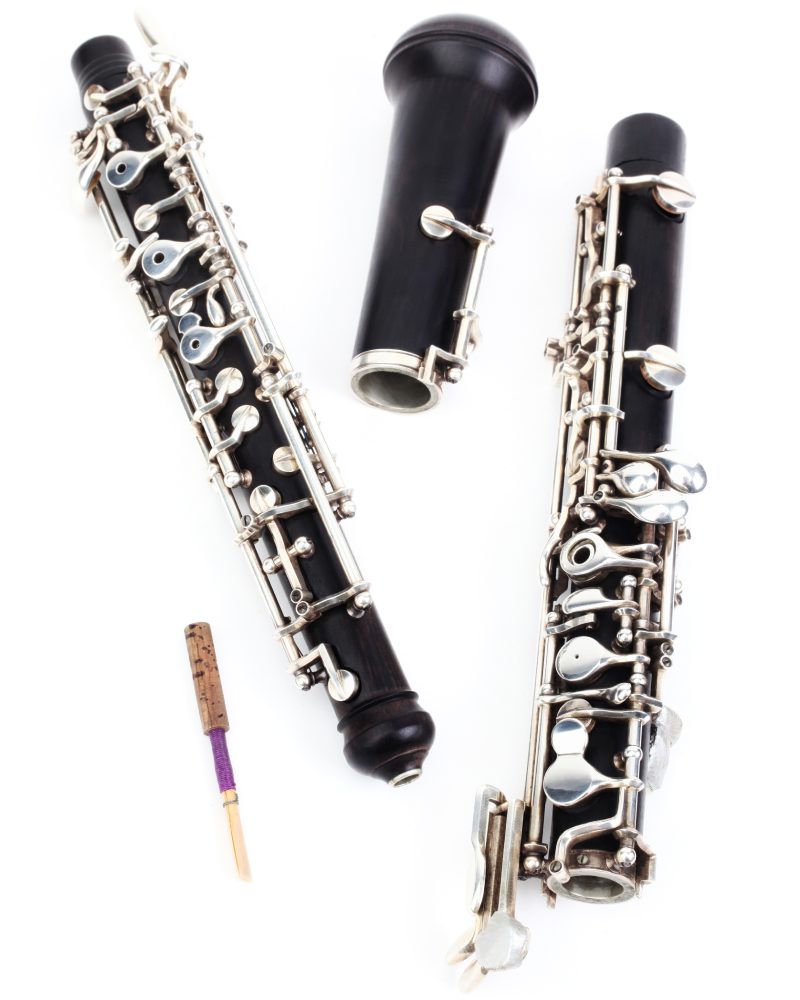
Ninety-nine percent of stress cracks occur in an oboe’s upper joint, where warm breath first contacts cold wood. Cracks occur due to disparities in moisture absorption between the internal bore and the outer surface of an instrument.
The combination of dryer room air, colder wood temperatures, and moisture-laden human breath creates a perfect storm of circumstances for oboe damage. Left unaddressed, the excess moisture causes the wood to swell unevenly, and cracks typically appear between tone holes, following the grain lengthwise through the instrument’s body.
Four Habits That Prevent Cold-Weather Cracking
- Warm the instrument before you play. Hold the oboe against your body or under your arm for a few minutes before playing a single note, so its temperature gradually equalizes with the room.
- Start low, then work up (“perform a ‘so low'”). Begin with notes at the bottom of the range for the first few minutes — the added airflow through the lower joint’s tone holes helps the whole instrument warm evenly before you move to the upper register.
- Swab regularly, don’t let moisture sit. Use an absorbent silk swab periodically during play to clear moisture from the bore lining rather than letting it accumulate.
- Oil the bore with the right product. A natural, vegetable-based bore oil made specifically for oboes and English horns reduces moisture absorption — avoid oils with petroleum distillates, which can be harmful. Let the instrument dry at least four hours before oiling and stand at least four hours (ideally overnight) after.
“The bottom line is, never play a cold instrument,” Carlos says.
If You Suspect a Crack
[Requesting additional information as the source content doesn’t cover this. We recommend a short section here on what a crack looks/feels like and what to do if you find one, before sending to Repair.]