Oboe Care Guide
Breaking In Your New Lorée Instrument
This guide is designed to help you get the most enjoyment from your instrument and to reduce the possibility of cracking—a major risk for oboe players at all levels.
Your oboe is an investment, and protecting it from the risks associated with cracking is an ongoing process. You can minimize your risk by playing a new instrument gently during the first few months and by taking precautions during seasons of low humidity.
It’s important to note that humidity is a concern outdoors and indoors. Playing outdoors is always a concern. While cold weather can have extreme impacts, hot-dry weather can also have a negative impact on your instrument. That risk extends to indoor environments. Air conditioning systems typically reduce humidity, but if you live or play in a dry climate, the indoor humidity can dip even lower.
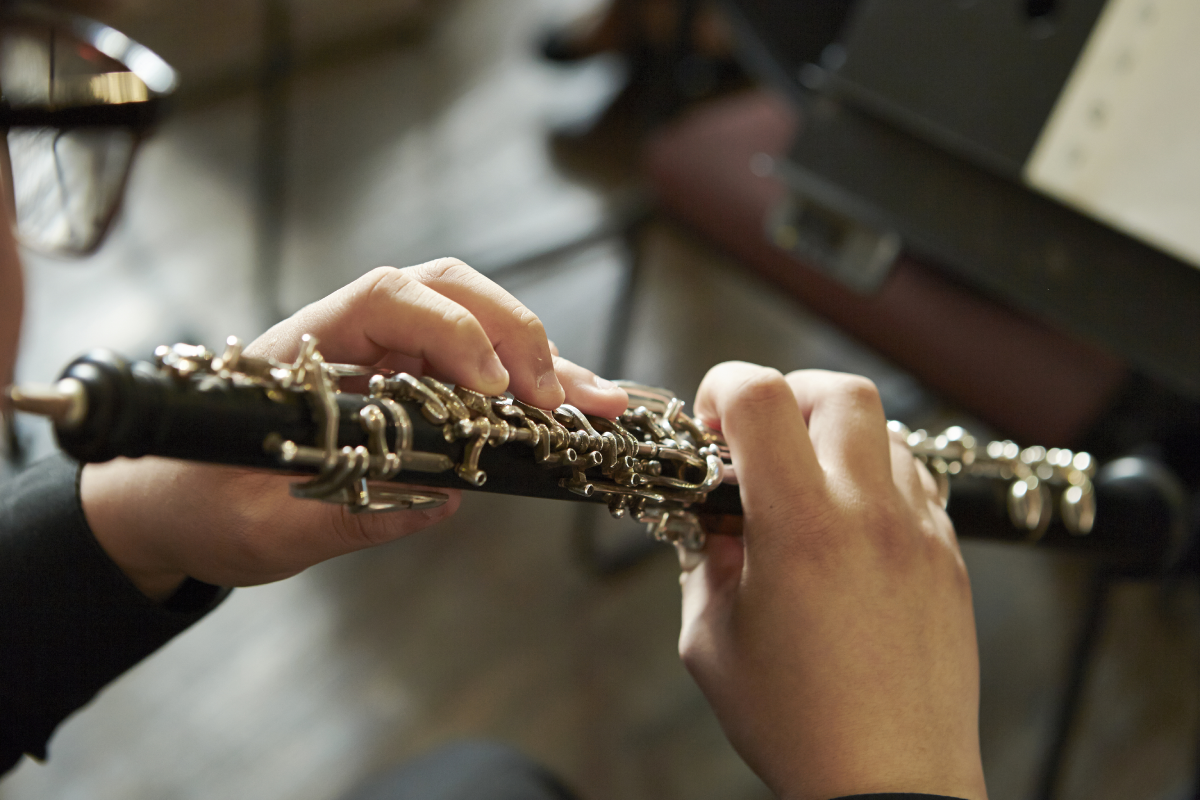
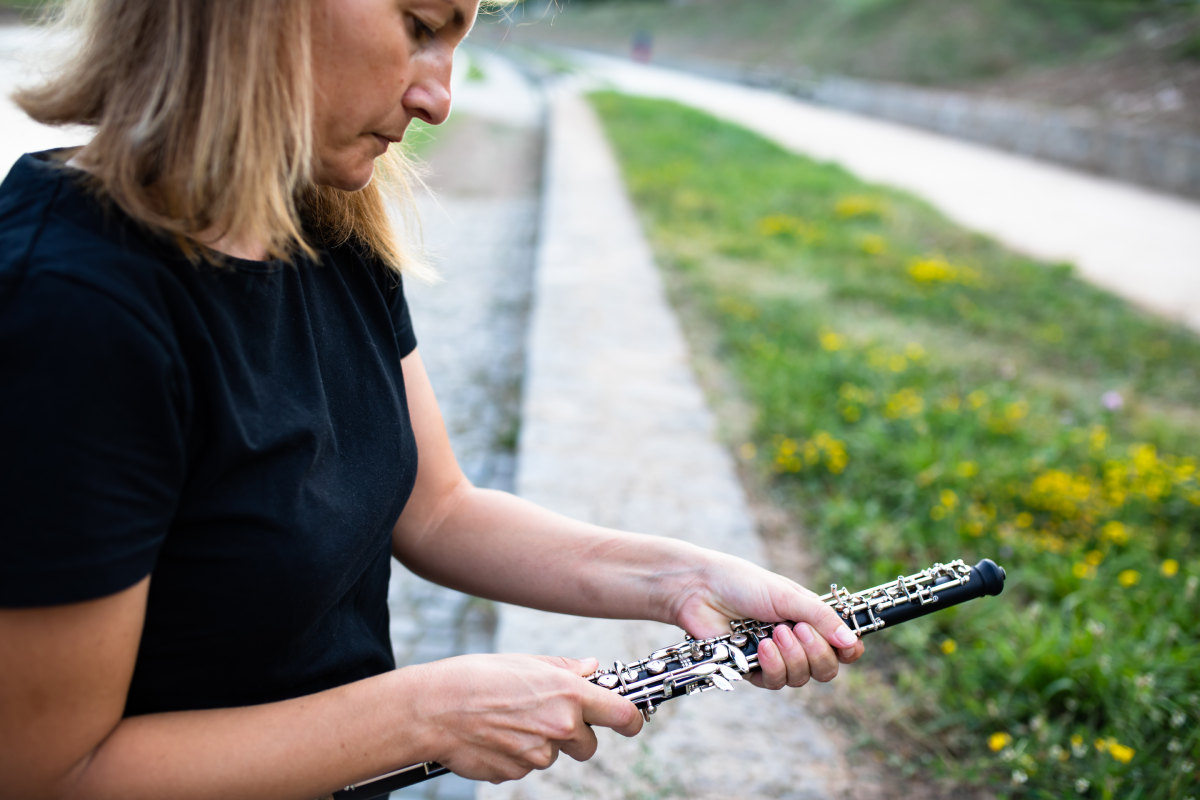
On chilly days (or in cold rooms), always warm the instrument before beginning to play. You can do this by holding it against your body for a few minutes, or by cradling the top joint in your hands. If your oboe was left in an unheated area on a cold day, do not play it until it has had a chance to warm gradually.
Avoid laying your instrument on any surface that experiences large temperature shifts (cold surfaces, hot surfaces, near heat sources) to avoid exposing it to rapid temperature changes. If you live in a dry climate, you should consider adding a humidifier to your case to maintain a higher ambient moisture level.
When you first start with a new instrument, play for no more than 10-15 minutes at a time. Swab it, and store it with the lid closed. Wait a few hours (or until the next day) and repeat this process. Each week, add 5-10 minutes of additional playing time. After about three months you should be able to play it for extended periods of time.
During the break-in period, we recommend that you regularly oil the bore of your new instrument—about once a week. Be sure that the bore is dry and free of moisture before you begin. Place a few drops of natural bore oil on (preferably) a feather or swab and apply a light, thin coat of oil gently inside the instrument.
After a few months, you can progressively reduce the frequency with which you oil your instrument—but you should not let down your guard when it comes to protecting your instrument from temperature fluctuations. Stay vigilant!